California Bee Plant
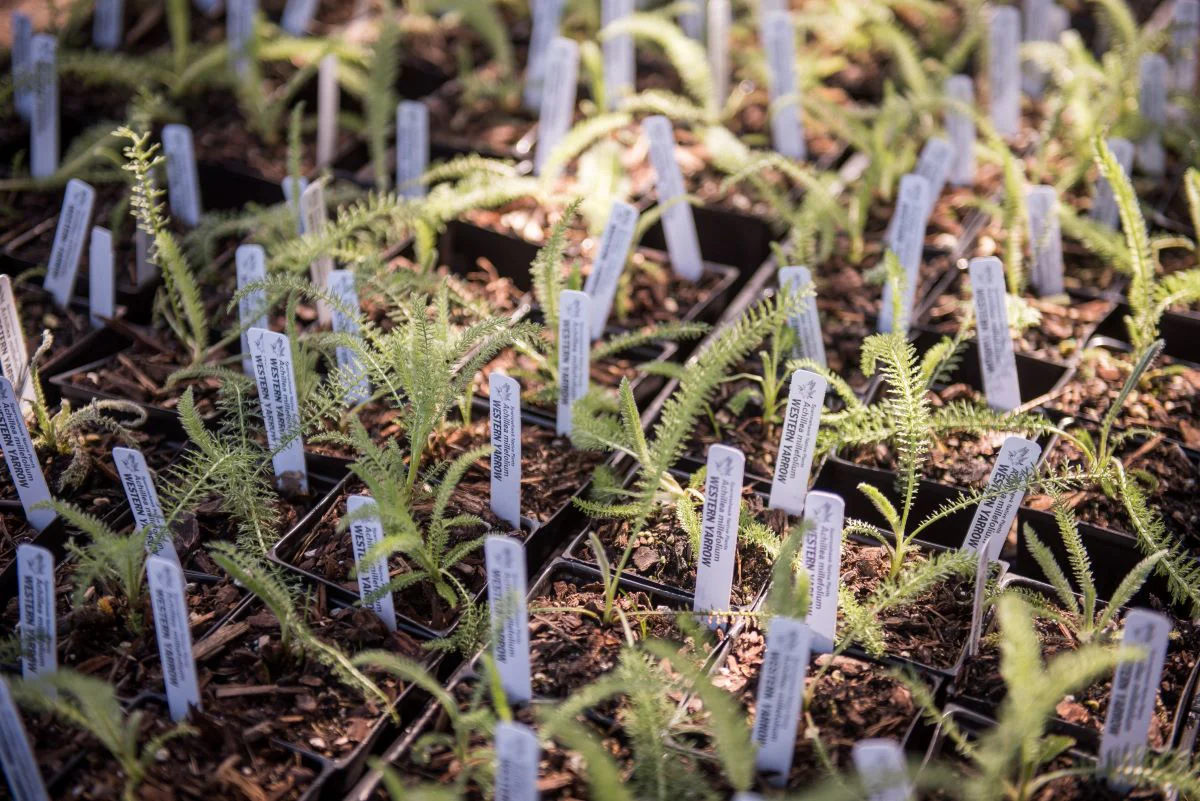
*PACKAGING NOTE: This lil plant is part of an exciting trial series using CowPots! CowPots are the only biodegradable pot made from 100% renewable and recycled cow manure. CowPots are 100% plastic & peat free, made on an American dairy farm using solar energy, and can be planted right in the ground.
Scrophularia californica
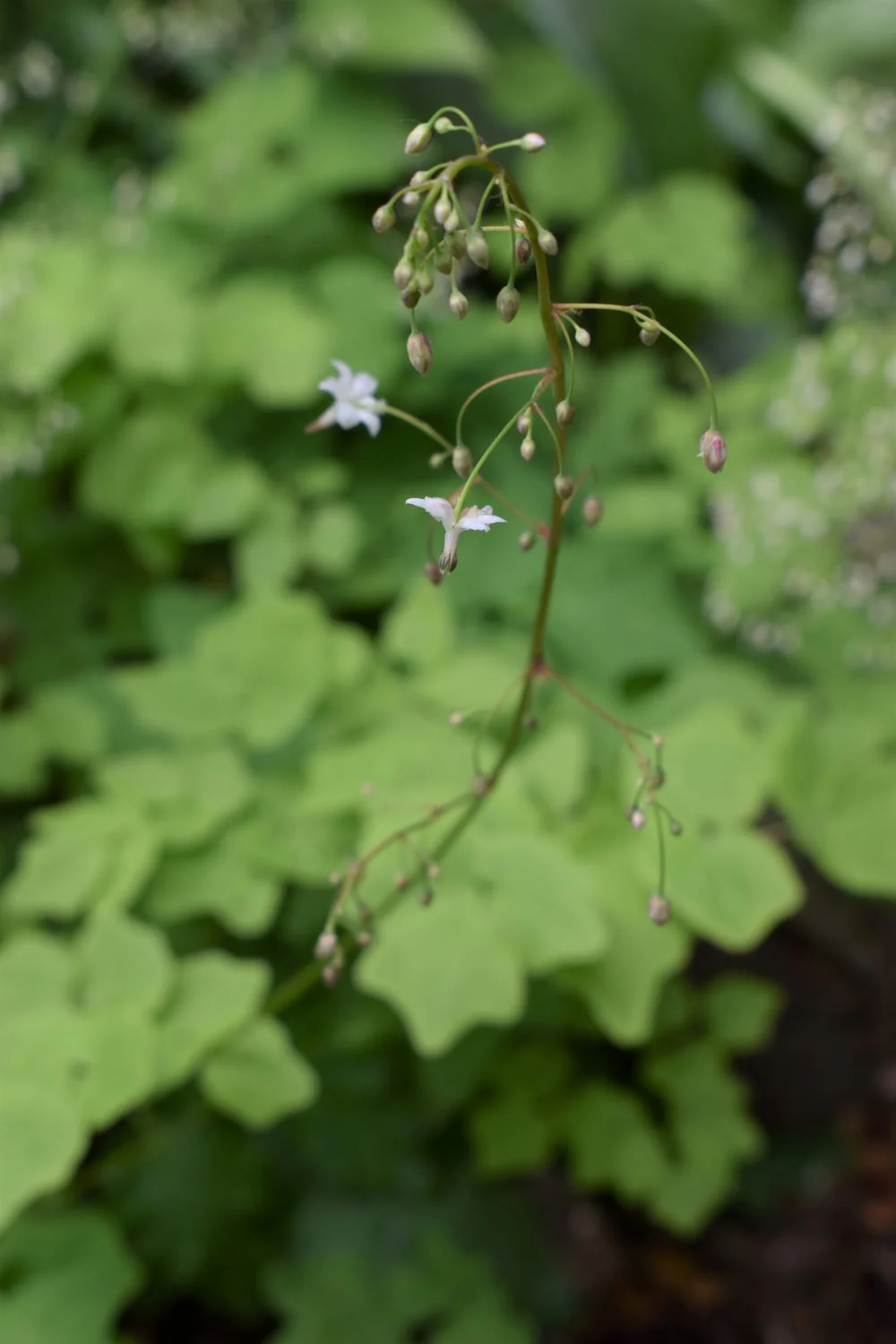
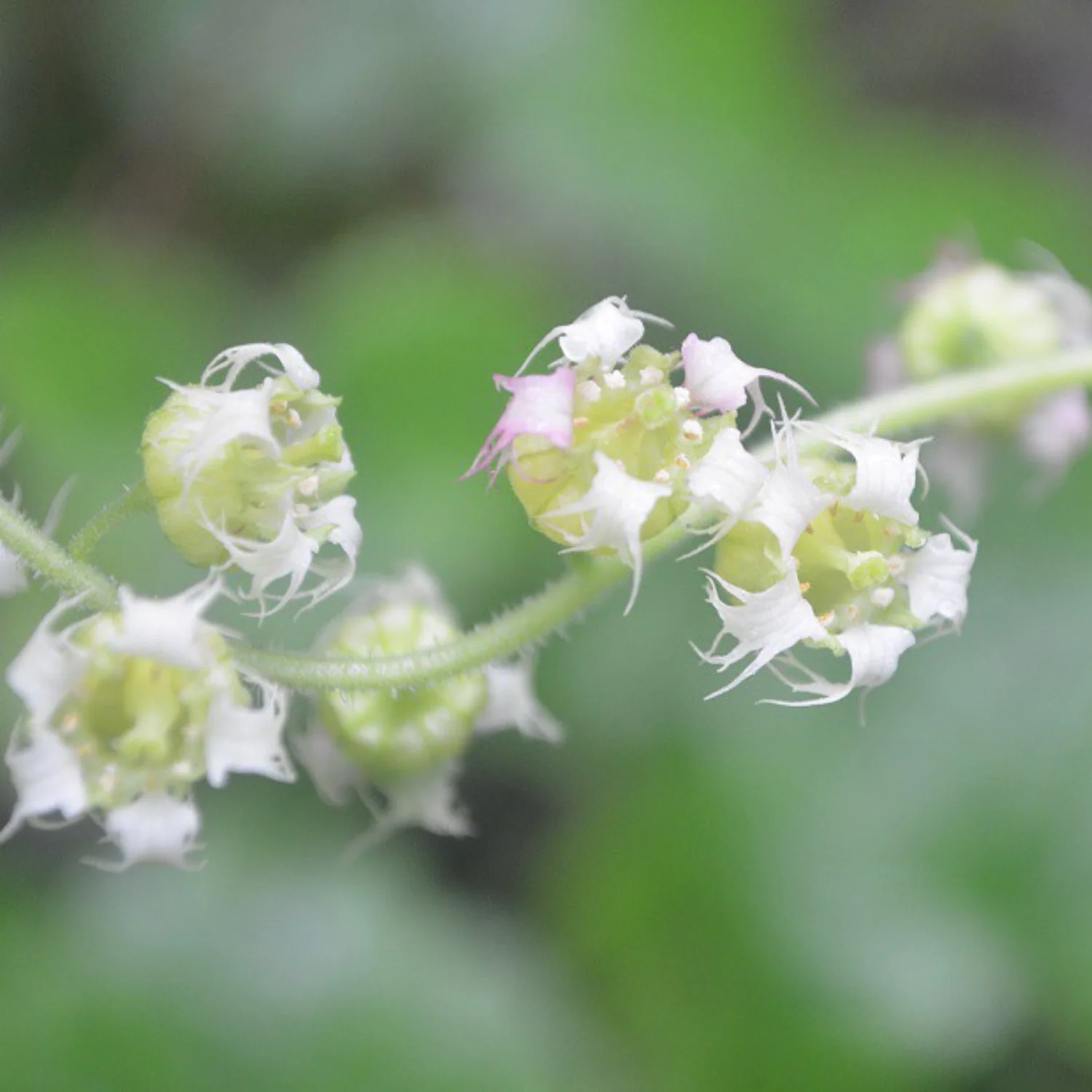
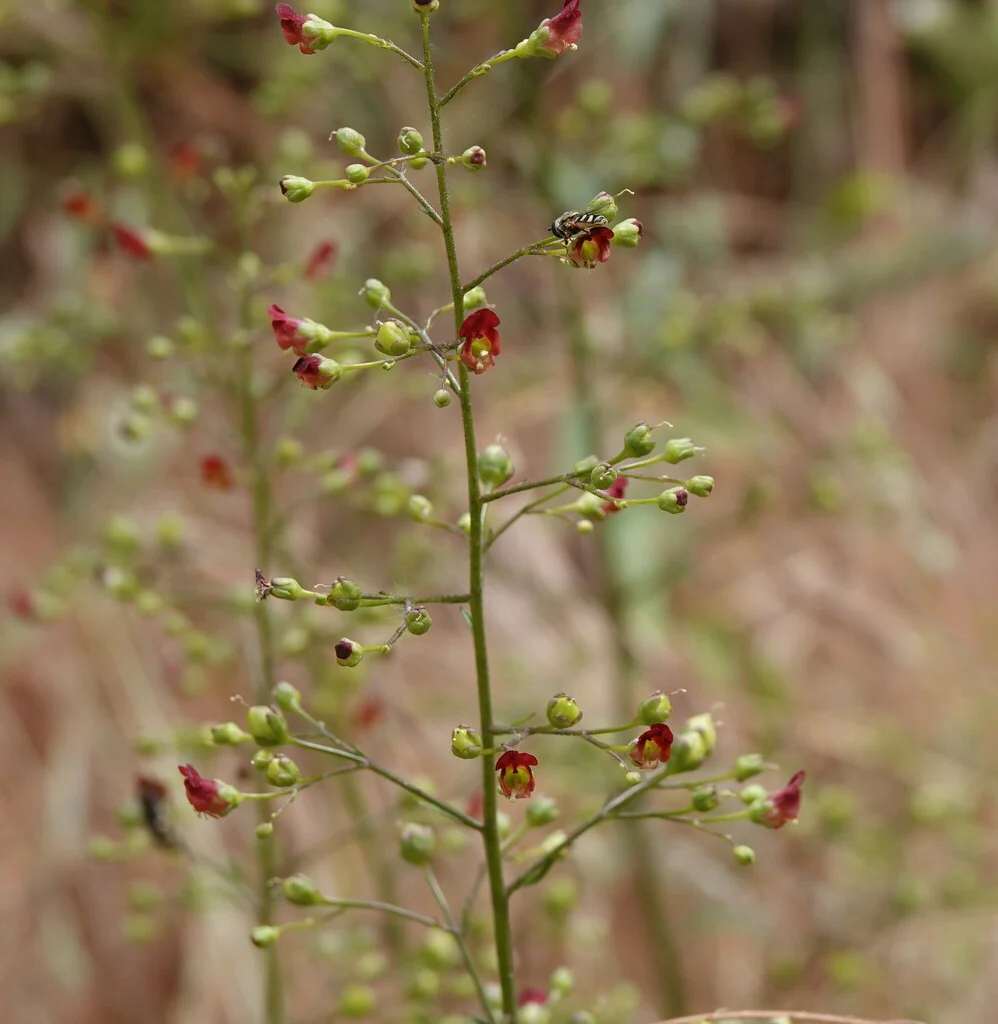
Don't let the name fool you - this beauty is also locally native! California bee plant is a bold, upright perennial with a soft, shrubby form that thrives in full sun to part shade and adapts beautifully to well-drained soils in moist to dry or woodland-edge gardens. From spring into early summer it sends up tall, branching stems topped with airy clusters of tiny flowers in rich shades of mahogany red to chocolate brown, creating a cloudlike effect that dances above the foliage. Revered by native bees, hummingbirds, and other pollinators, it serves as an exceptional habitat plant while adding height and texture to habitat gardens and restoration landscapes.
- Plant type/canopy layer: deciduous, perennial, herbaceous plant
- Size at maturity: 24-48” tall, 12”-36” wide
- Light requirements: part sun/part shade
- Moisture requirements: moist to dry soil
- Bloom time: March - June
- Growth rate/ease: fast growing, easy to grow
- Wildlife support: as the name suggests, the flowers are extremely attractive to hummingbirds, bees, butterflies and other insect pollinators; the nectar is an important food source for small wasps and hummingbirds; it is also a host plant for the Chalcedon Checkerspot and Common Buckeye butterflies.
- Native habitat/range: grows in several habitats, including wetland-riparian, coastal sage scrub, pine forests and chaparral, west of the Cascades from British Columbia to southern California. Portland Plant List - yes.
- Special features & uses: supports hummingbirds; pollinator favorite; great in containers; deer resistant; landscape uses include pollinator and butterfly gardens and meadowscapes
Gardening with California Bee Plant: This versatile pollinator magnet prefers partially shady areas with low to moderate moisture, dry to moist soil. In a habitat garden, use it as a tall, airy backdrop behind lower native perennials, tuck it along woodland edges, or weave it through grasses and shrubs where its tiny flowers appear like clusters of rubies when backlit by the sun. To help it thrive, water deeply, but infrequently enough to let it dry out in between waterings, during its first growing season to establish deep roots. In moist soils it will form a colony over time, but it can be exceptionally drought tolerant as well. Cut back spent stems in spring once over-wintering insects have had a chance to complete their lifecycle and be sure to leave some natural leaf litter around the base to mimic its native conditions. It also grows quite well in containers.
Photo Credit 1 & 5 (flowering stalks, flowers and leaves): © nmoorhatch, some rights reserved (CC-BY)
Photo Credit 2 (caterpiller): © Fue Her, some rights reserved (CC-BY)
Photo Credit 3 (foliage): © Aiver, some rights reserved (CC-BY)
Photo Credit 4 (flower closeup): © Cricket Raspet, some rights reserved (CC-BY)
Photo Credit 6 (path edge): © supereffective, some rights reserved (CC-BY)
Photo Credit 7 (log planting): © LJ Moore-McClelland, some rights reserved (CC-BY)
Original: $9.95
-70%$9.95
$2.98Product Information
Product Information
Shipping & Returns
Shipping & Returns
Description
*PACKAGING NOTE: This lil plant is part of an exciting trial series using CowPots! CowPots are the only biodegradable pot made from 100% renewable and recycled cow manure. CowPots are 100% plastic & peat free, made on an American dairy farm using solar energy, and can be planted right in the ground.
Scrophularia californica
Don't let the name fool you - this beauty is also locally native! California bee plant is a bold, upright perennial with a soft, shrubby form that thrives in full sun to part shade and adapts beautifully to well-drained soils in moist to dry or woodland-edge gardens. From spring into early summer it sends up tall, branching stems topped with airy clusters of tiny flowers in rich shades of mahogany red to chocolate brown, creating a cloudlike effect that dances above the foliage. Revered by native bees, hummingbirds, and other pollinators, it serves as an exceptional habitat plant while adding height and texture to habitat gardens and restoration landscapes.
- Plant type/canopy layer: deciduous, perennial, herbaceous plant
- Size at maturity: 24-48” tall, 12”-36” wide
- Light requirements: part sun/part shade
- Moisture requirements: moist to dry soil
- Bloom time: March - June
- Growth rate/ease: fast growing, easy to grow
- Wildlife support: as the name suggests, the flowers are extremely attractive to hummingbirds, bees, butterflies and other insect pollinators; the nectar is an important food source for small wasps and hummingbirds; it is also a host plant for the Chalcedon Checkerspot and Common Buckeye butterflies.
- Native habitat/range: grows in several habitats, including wetland-riparian, coastal sage scrub, pine forests and chaparral, west of the Cascades from British Columbia to southern California. Portland Plant List - yes.
- Special features & uses: supports hummingbirds; pollinator favorite; great in containers; deer resistant; landscape uses include pollinator and butterfly gardens and meadowscapes
Gardening with California Bee Plant: This versatile pollinator magnet prefers partially shady areas with low to moderate moisture, dry to moist soil. In a habitat garden, use it as a tall, airy backdrop behind lower native perennials, tuck it along woodland edges, or weave it through grasses and shrubs where its tiny flowers appear like clusters of rubies when backlit by the sun. To help it thrive, water deeply, but infrequently enough to let it dry out in between waterings, during its first growing season to establish deep roots. In moist soils it will form a colony over time, but it can be exceptionally drought tolerant as well. Cut back spent stems in spring once over-wintering insects have had a chance to complete their lifecycle and be sure to leave some natural leaf litter around the base to mimic its native conditions. It also grows quite well in containers.
Photo Credit 1 & 5 (flowering stalks, flowers and leaves): © nmoorhatch, some rights reserved (CC-BY)
Photo Credit 2 (caterpiller): © Fue Her, some rights reserved (CC-BY)
Photo Credit 3 (foliage): © Aiver, some rights reserved (CC-BY)
Photo Credit 4 (flower closeup): © Cricket Raspet, some rights reserved (CC-BY)
Photo Credit 6 (path edge): © supereffective, some rights reserved (CC-BY)
Photo Credit 7 (log planting): © LJ Moore-McClelland, some rights reserved (CC-BY)